
Understanding Injection Molding Materials: A Complete Guide
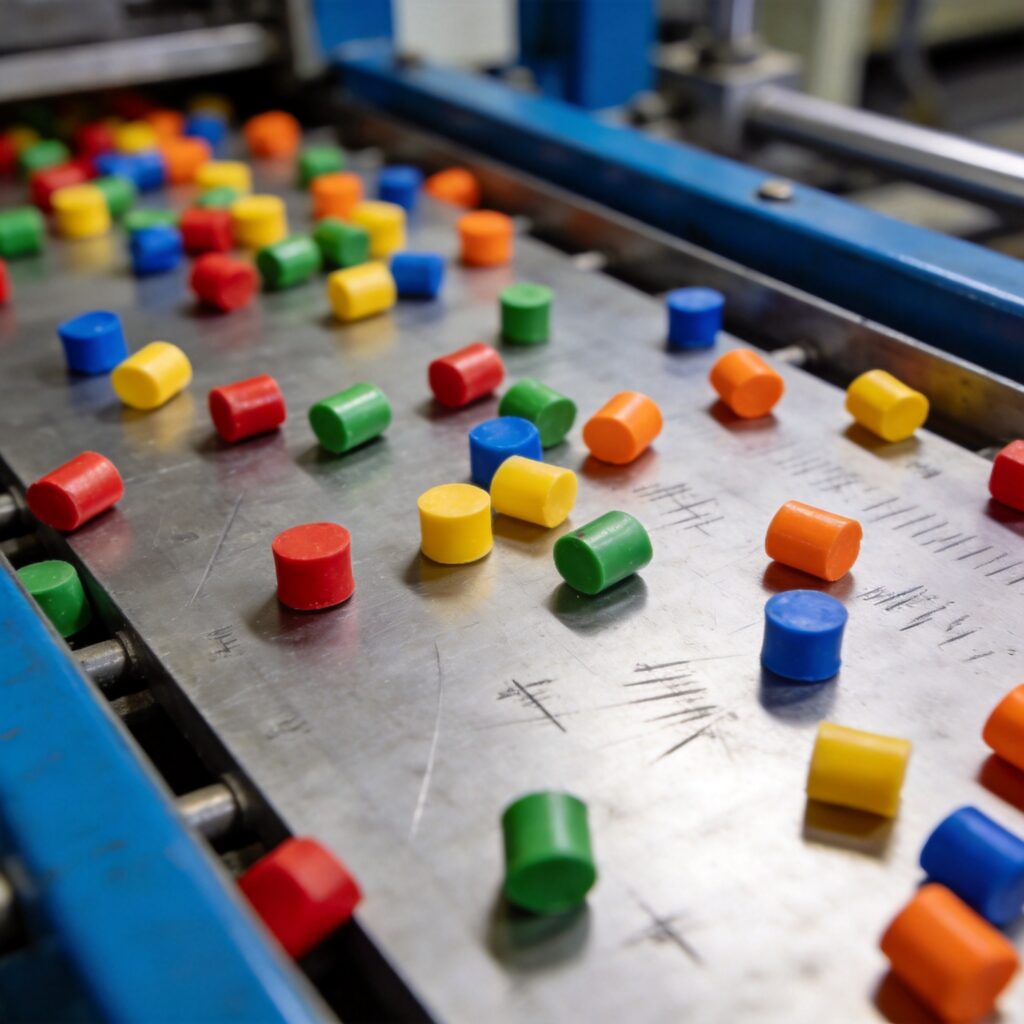
Choosing the right material is one of the most critical decisions in any injection molding project. The material you select affects everything from part strength and appearance to cost and manufacturability.
Common Thermoplastics for Injection Molding
ABS offers an excellent balance of strength, rigidity, and impact resistance, making it ideal for consumer electronics, automotive components, and housings. It is also easy to paint and finish.
Polypropylene (PP) is lightweight, chemical-resistant, and economical. Its fatigue resistance makes it perfect for living hinges, containers, and automotive interior parts.
Nylon (PA) delivers high mechanical strength, heat resistance, and low friction, suited for gears, bearings, and mechanical parts that demand durability.
Polycarbonate (PC) provides exceptional impact resistance and optical clarity, widely used in safety equipment, lenses, and medical devices.
Specialty and Engineering Materials
For demanding applications, engineering plastics such as POM (acetal), PEEK, and PPS offer higher temperature resistance, chemical stability, and dimensional precision. These materials cost more but deliver performance that commodity plastics cannot match.
How to Choose the Right Material
- Define the operating environment (temperature, chemicals, UV exposure)
- Identify mechanical requirements (strength, flexibility, impact)
- Consider regulatory and compliance needs (food-safe, medical-grade)
- Evaluate cost versus performance at your target volume
Consulting with an experienced molding partner early in the design phase can help you select a material that optimizes both performance and cost.
At Yuming Plastic Mold, our engineers guide you through material selection to ensure your product performs exactly as intended. Contact us to discuss your material needs.